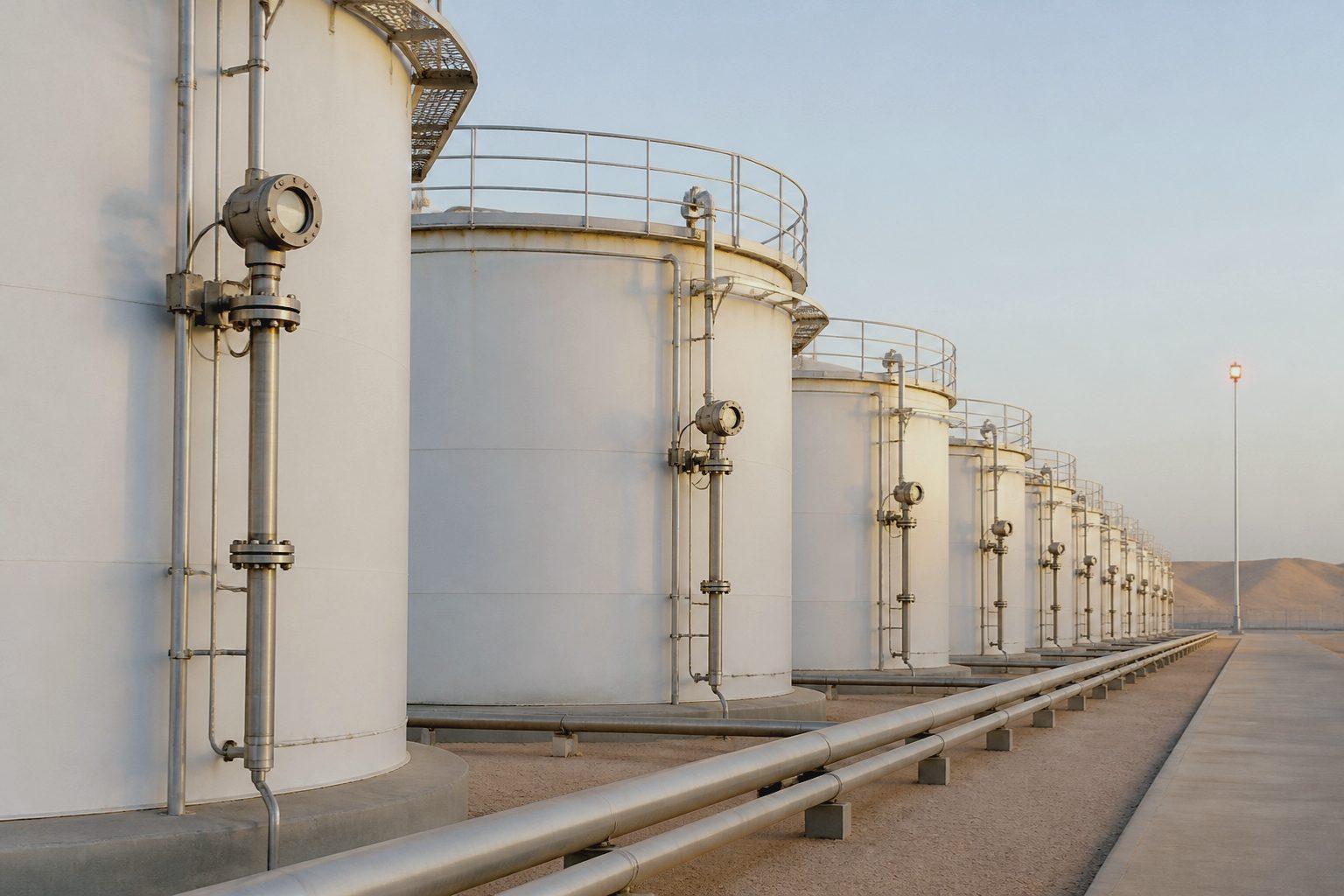
Start with the Importer of Record
The company that imports a hazardous chemical carries the regulatory responsibility for it. Confirm that your supplier holds the licences to import, store and handle the specific class of material you are buying, and that the licence is held in its own name rather than borrowed from a third party.
Insist on Complete Documentation
Every consignment should arrive with a current safety data sheet, a certificate of analysis for the batch and labelling that meets local requirements. Where a product needs customer approval, the registration file should be prepared before the first order, not after the material lands.
Ask Where It Will Be Stored
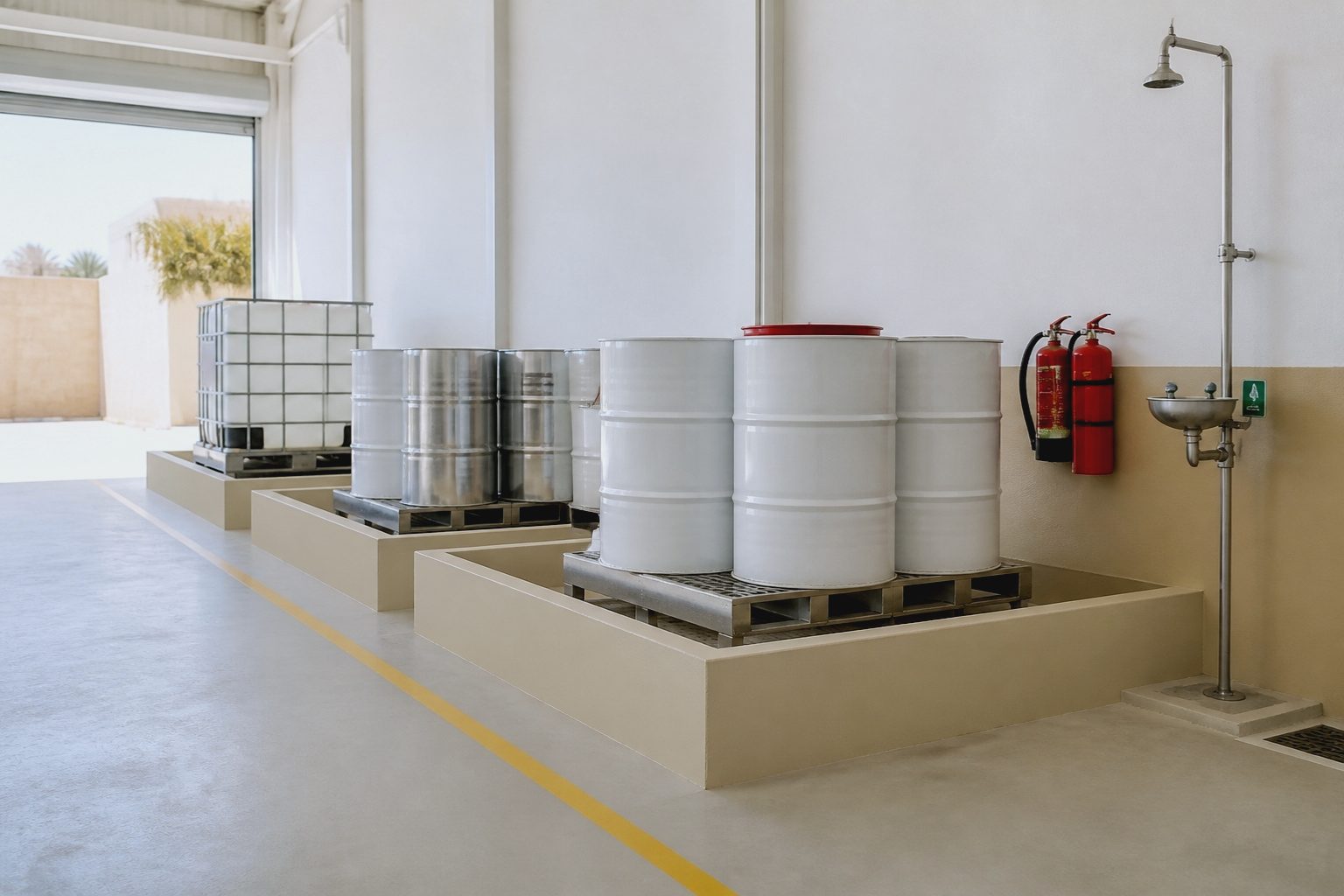
Hazardous materials need segregated storage by hazard class, controlled access, ventilation and trained people on site. Ask whether the warehouse is manned around the clock and whether every receipt and issue is recorded in a stock system, so that any batch can be traced.
Check How It Reaches You
Road transport of dangerous goods calls for suitable vehicles, trained drivers and correct placarding. Delivery should follow an agreed schedule tied to your consumption, so that you hold neither too little stock nor too much on site.
Close the Loop at the Point of Use
If the chemical is dosed into a process, decide who supports the injection equipment and who records consumption. A single licensed supplier for import, storage, delivery and site support removes the gaps where incidents and shortages begin.